

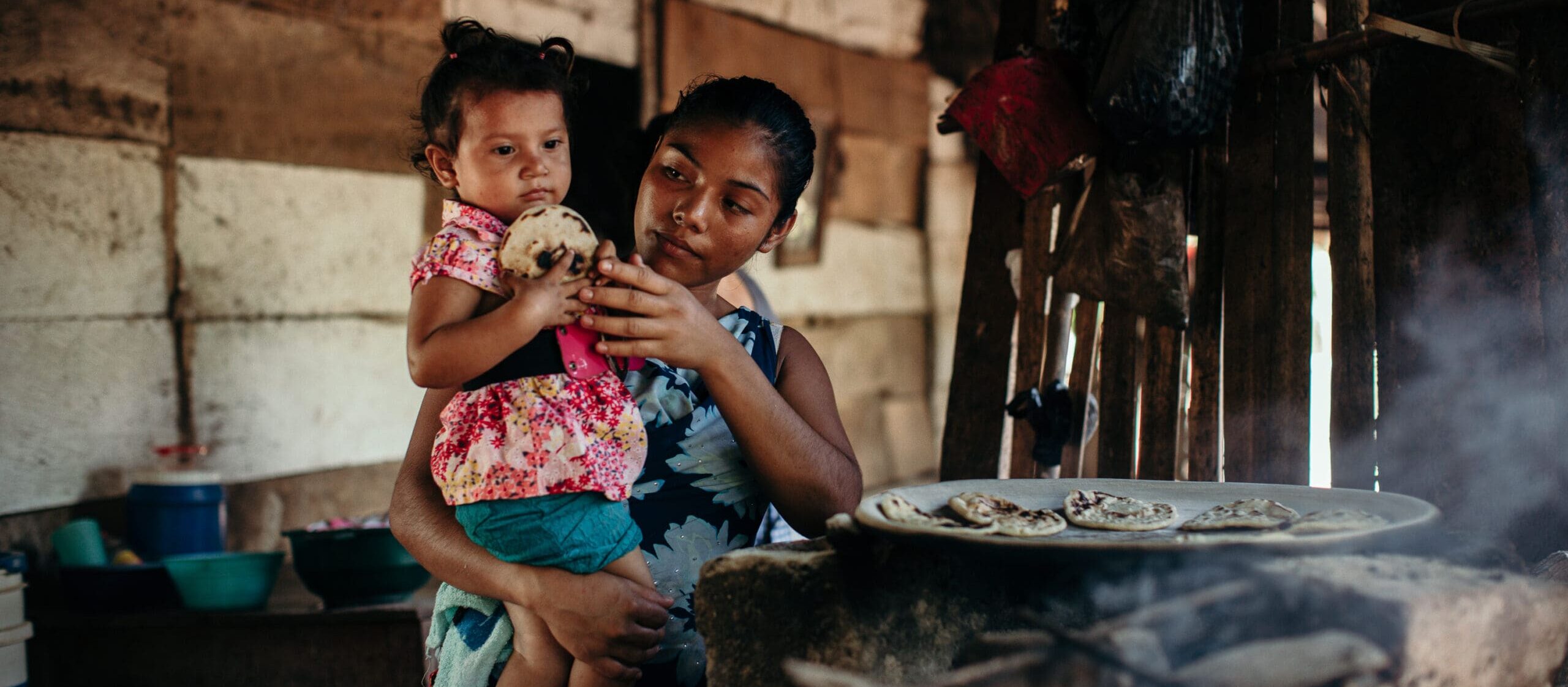
Nutrition and Health
Malnutrition is the leading cause of childhood death.
Low-income families rely on corn because it is cheap, but it lacks key nutrients. This leads to stunted growth, impaired cognition, disease, and lifelong income losses that trap communities in poverty.
Instead of changing diets, we improve the corn itself.
Our biofortified corn contains 39% more zinc, 19% more iron, and 30-80% more lysine and tryptophan (quality protein).
Biofortified maize has been proven in internal and external randomized controlled trials to improve children’s health and growth.
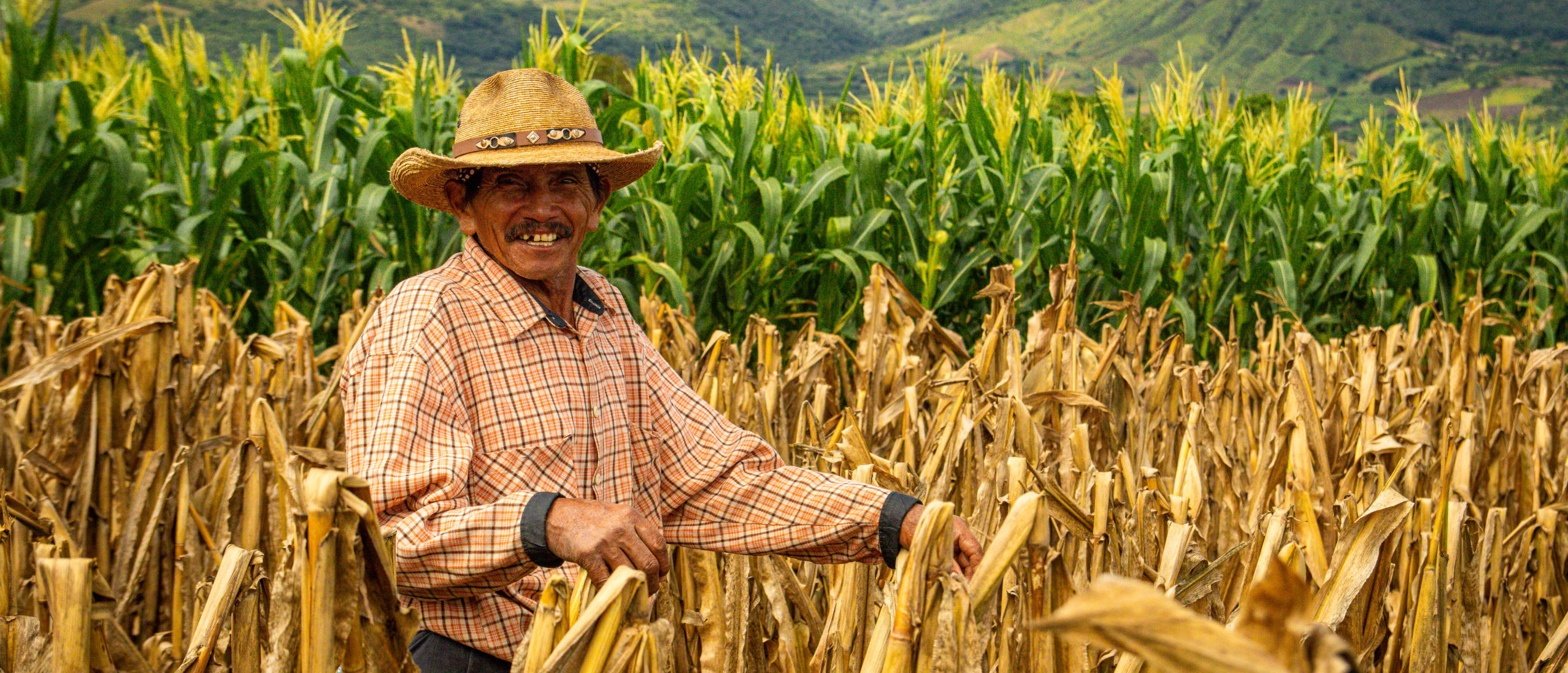
Livelihoods
Smallholder corn farmers are among the poorest in Latin America and Sub-Saharan Africa.
High-yield, climate-resilient seeds can more than double incomes, but the farmers who need them most often cannot afford them.
Switching to our seeds can improve farmer yields by 17-25%, even when they continue their normal agricultural practices.
Our programs and partnerships improved seeds accessible, so the poorest farmers can afford them.
Our farmers often move from producing less than they need to feed their families, to producing enough to sell their surplus into the market.
In 2024, Guatemalan farmers purchasing our seeds, paid an average of ~$25 for our seeds and increased their profits by $190.
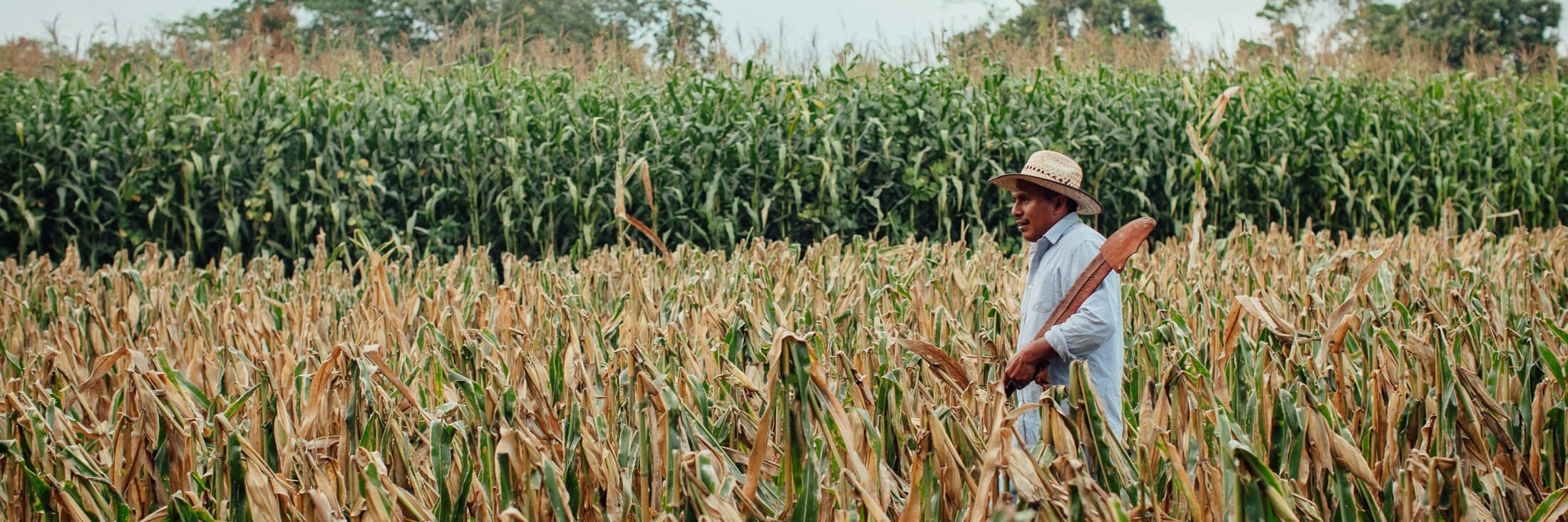
Climate Resilience
Smallholder farmers are extremely vulnerable to climate change.
In 2022, 56% of surveyed farmers lost crops to extreme storms and 29% to drought, which fuels poverty and migration. As CO2 levels rise, corn becomes less nutritious, further contributing to malnutrition.
We develop our seeds to be the most resistant to storms, droughts, and new diseases and pests.
We start with already climate-resilient seeds and test them in Guatemala’s most extreme environments–only launching the very best and most nutritious.
Farmers using our seeds see 3-5x higher incomes in droughts and storms.